




Roadworthy Certificates

Victoria's roadworthy certificate requirement exists to protect buyers and keep unsafe vehicles off the road. Every vehicle sold in the state must pass inspection by a licensed tester before the sale can be finalised, ensuring the new owner receives a mechanically sound and legally compliant car.
The RWC is more than just paperwork—it's proof that critical safety systems have been professionally examined and meet minimum standards. Without it, you cannot legally transfer ownership, and buyers won't have the confidence or legal protection they need when purchasing a second-hand vehicle.
Understanding this requirement upfront allows you to address potential issues before inspection, reducing the risk of failures and re-inspection fees that can delay your sale.
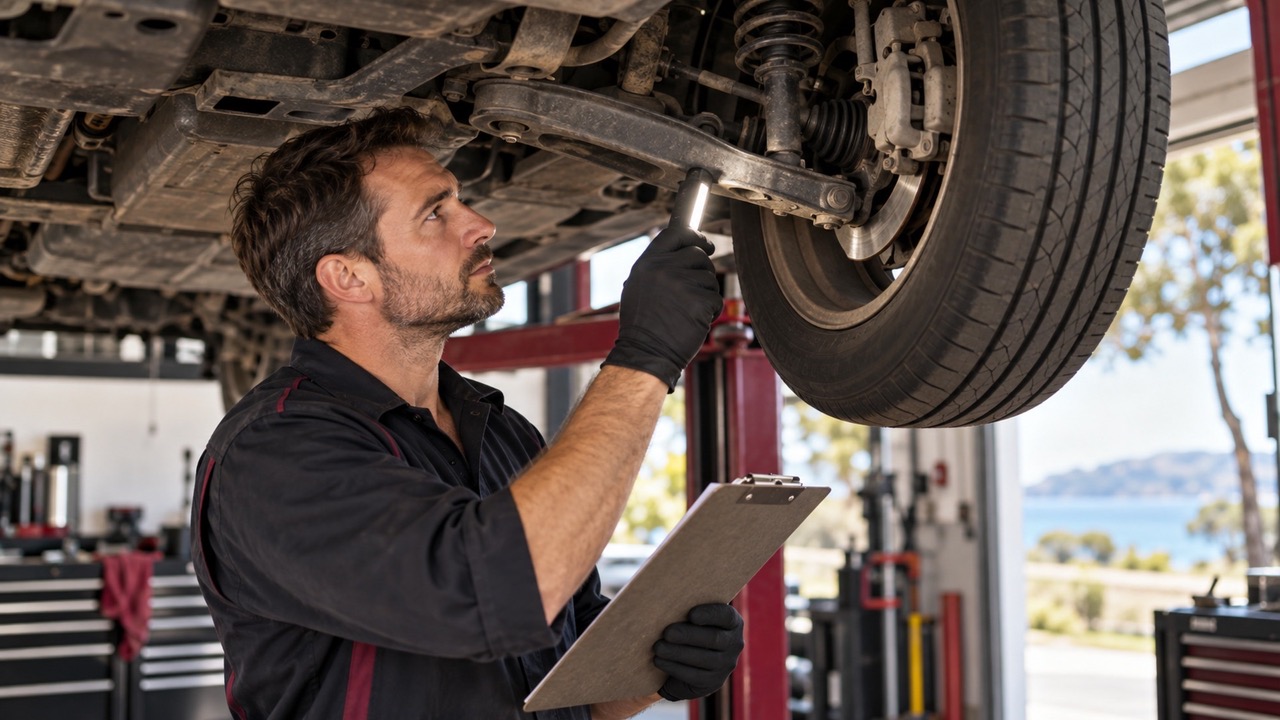
The brake system is one of the first areas a licensed tester examines, as it's fundamental to road safety. Inspectors check brake pad thickness, disc condition, fluid levels, and brake line integrity, ensuring the braking system operates effectively and meets Victoria's safety standards.
Beyond brakes, testers examine your vehicle's seatbelts, airbags, and general safety systems. They'll check that seatbelts retract smoothly, warning lights function correctly, and there are no signs of impact damage or missing components that could compromise occupant protection.
To prepare, have your brakes serviced if you notice any sponginess or grinding sounds, and ensure all seatbelts are clean and functional. A well-maintained brake system is one of the quickest inspection passes you can achieve.
Your tyres receive detailed attention during inspection, with testers measuring tread depth to ensure they meet the legal minimum of 1.6 mm across the width. They'll also inspect for uneven wear, bulges, cuts, or damage that could indicate misalignment or suspension issues requiring correction before passing.
Steering and suspension components are examined for wear and play, with inspectors checking power steering fluid levels, steering responsiveness, and the condition of suspension bushes and joints. Poor alignment or worn steering components are common reasons for RWC failures and should be addressed by a qualified mechanic beforehand.
Visit a tyre specialist or suspension expert at least a week before your scheduled RWC inspection to have wheels aligned and tyres assessed. This simple step prevents re-inspections and ensures a faster path to certification.
All exterior and interior lights must function correctly—including headlights, tail lights, brake lights, indicators, and reversing lights. Testers will check each light individually, and any failures or non-functioning globes will result in a failed inspection that requires repair and re-testing.
The electrical system is examined to ensure the battery is secure and in good condition, the alternator is charging properly, and there are no loose or corroded connections that could cause starting or lighting failures. Windscreen wipers and washers are also tested to ensure visibility during wet weather driving.
Before inspection, walk around your vehicle in daylight with the engine running and test every light. Replace any blown globes, clean corrosion from battery terminals, and top up windscreen washer fluid—these minor fixes take minutes and prevent common failure points.
Designed & Developed by CJ Digital